
AI-Based Kids Education
AI-Based Kids Education: Empowering the Next Generation of Thinkers, Innovators & Leaders
The world is evolving faster than ever. Artificial Intelligence (AI) — once considered a futuristic concept — is now a part of everyday life. From voice assistants like Siri and Alexa to smart toys, self-driving cars, medical diagnostics, translation apps and personalized learning platforms, AI quietly powers the technologies our children interact with every day.
This transformation has sparked a global conversation about education: How do we prepare our children for a future shaped by AI?
Why AI Education Matters for Kids
Today’s children will enter a job market that will look dramatically different within the next 10–15 years. Many existing jobs will be transformed by automation, while entirely new professions will emerge — ranging from AI health analysts and robotics engineers to creative AI designers and ethical technology policymakers.
Teaching AI to children isn’t about forcing them into technical careers. It’s about:
Building critical thinking and logical reasoning
Encouraging creativity and innovation
Strengthening problem-solving and analytical skills
Developing an early understanding of digital safety and ethics
In short, AI education nurtures both intellectual and emotional intelligence — helping children understand the technology that shapes their world while empowering them to use it responsibly.
AI Learning Does Not Need to Be Complicated
Many parents assume AI is too complex for young kids — but child-friendly learning frameworks have made it fun and accessible. AI can be introduced through engaging, age-appropriate activities like:
Puzzle-based coding games
Training AI models to recognize shapes, sounds or animals
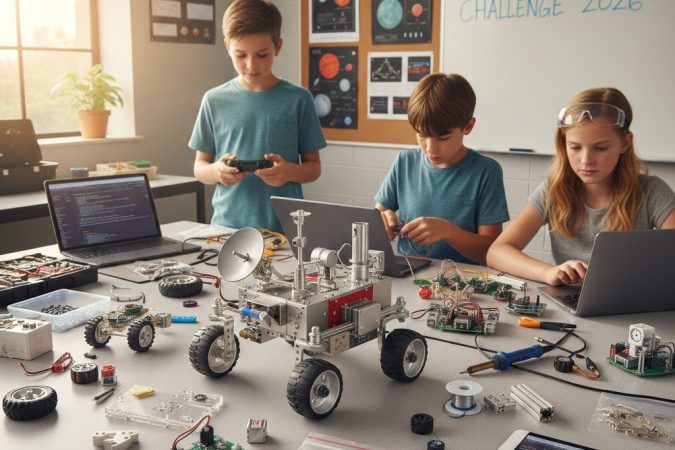
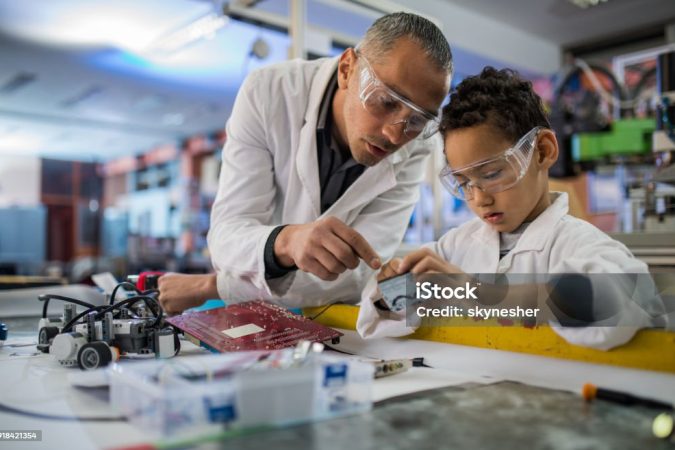
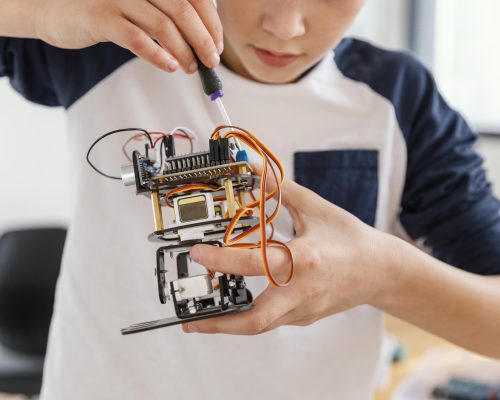
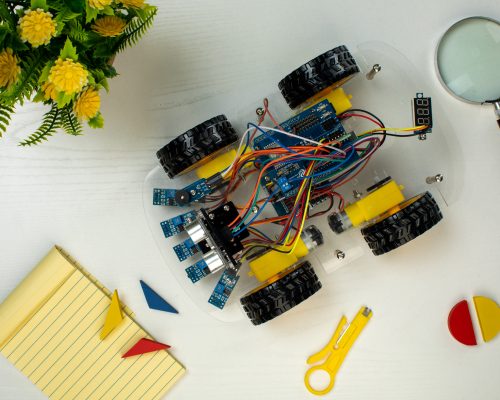
Robotics and automation projects
Emotion-recognition and storytelling apps
Explorations of machine learning through real-life problems (weather, recycling, traffic)
Kids learn best by doing. When they get to experiment, create projects and see results instantly, learning becomes exciting rather than difficult.
Benefits Beyond Technology
AI-based education goes far beyond teaching programming. It builds important life and career skills:
Technical Skills Soft Skills
Coding concepts Confidence & decision-making
Data literacy Teamwork & communication
Algorithmic thinking Leadership & collaboration
Experimentation and testing Responsible digital citizenship
Even children who later choose careers in arts, business or social science will benefit, because AI is becoming integrated into every field.
Preparing Children for the Future Workforce
AI is reshaping every industry — from healthcare and agriculture to entertainment, finance, manufacturing and environmental science. Tomorrow’s professionals will need to understand AI, work with AI and lead innovation using AI.
By starting early, children gain:
Adaptability to new technology
Curiosity toward scientific discovery
The confidence to become creators, not just consumers
Early exposure gives them a competitive advantage in the global job market and opens doors to opportunities that may not exist today but are sure to exist tomorrow.
A Balanced and Ethical Approach
AI isn’t just about building machines. It’s also about teaching children:
Digital ethics
Privacy and data safety
Bias and fairness in algorithms
Respect and responsibility when using technology
Responsible AI learning ensures children develop empathy and good judgment — qualities that are just as important as technical skills.
Conclusion
AI-based kids education is more than a trend — it is an educational revolution. By blending creativity, hands-on learning and real-world problem-solving, AI gives children the power to dream, build and lead in an intelligent future.
The world is changing. And the best gift we can give our children is the ability to change with it — not fear it, but shape it.